
Guide · Sky · For Clubs & Organisers
Starting a local paragliding meet
Sites, permissions, weather calls and welcoming new pilots. A step by step plan for clubs and organisers starting a local paragliding meet or fly-in.
Written by The HORNGRY TeamWith contributions from local riders and organisers
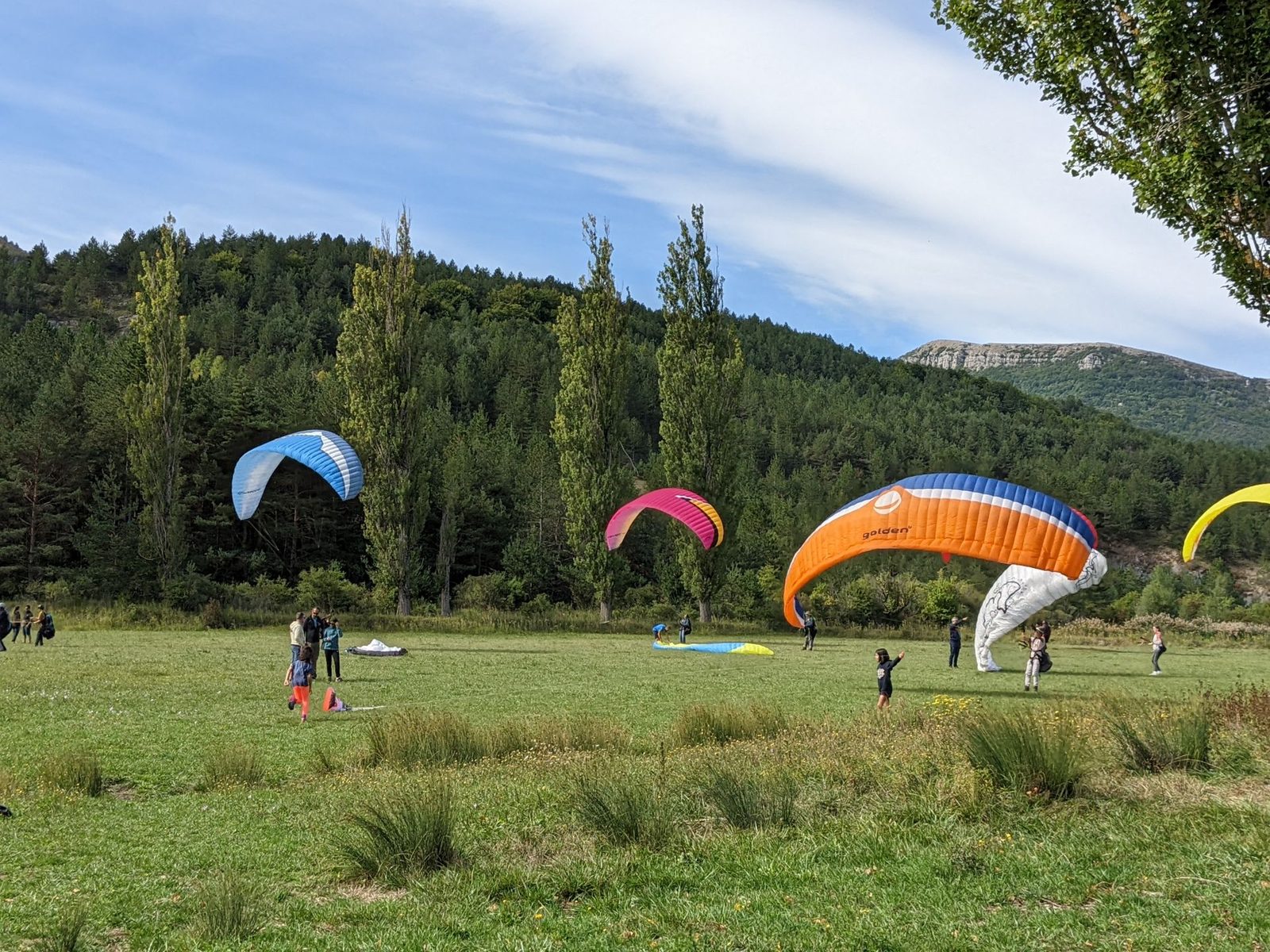
Paragliding can look like a closed world from the ground: a handful of pilots on a hill, speaking their own language of wind and lift. A local meet opens that world up. Done properly, it gives pilots a reason to fly together, gives the club new members and gives curious onlookers a safe way in. The rules are simple: work with your association, respect the site, and let the weather have the final word.
- 01
Work with your national association
Paragliding is regulated, and for good reason. Contact your national paragliding association before anything else. They can tell you which sites are open, what ratings pilots need, and whether your meet can be listed as an official club event. Many associations also provide event insurance or guidance on it.
- 02
Choose a site and get permission
Pick an established site with a clear launch, a safe landing field and room for spectators well back from both. Get written permission from the landowner, even if the site is regularly flown. Check airspace restrictions and any local rules on numbers. A site your local club already uses is always the right first choice.
- 03
Set the pilot requirements
Be clear about who can fly: minimum rating, reserve parachute, helmet and radio requirements, and whether tandem or coaching flights are part of the day. Have a named safety officer with the experience to make the final call. New pilots should be paired with a coach or experienced pilot, not left to figure it out alone.
- 04
Plan around the weather call
Wind decides everything. Set a meet window rather than a single date, or accept that some meets become ground socials. Name the person who makes the fly or no-fly call, decide how and when it will be announced, and brief everyone that the call is final. A cancelled day costs nothing. A bad decision costs everything.
- 05
Organise the ground setup
Write a short risk assessment covering launch, landing, spectators, road access and first aid. Have a named first aider, a retrieve plan for pilots who land out, and a sign-in sheet so you know who is in the air. Set up a wind indicator, a briefing board with the site rules and the day's plan, and a clear spectator area.
- 06
Welcome new people properly
A meet is the best recruitment tool a club has. Put up a welcome point, run a ground-handling session for curious newcomers, and have club members ready to answer questions. Never let an untrained person fly. Instead, connect them with a licensed school for a tandem flight or a beginner course, and invite them back.
- 07
Get the word out
Start four weeks out. Tell the local club, post in pilot group chats and forums, and list the meet on the HORNGRY events page so people nearby can find it for free. Be clear about the site, the pilot requirements, the weather call process and what newcomers can expect on the ground.
The organiser's checklist
- National association contacted and event listed
- Site chosen and landowner permission in writing
- Airspace and local rules checked
- Safety officer named and pilot requirements set
- Weather call process agreed and announced
- Risk assessment, first aider and retrieve plan ready
- Welcome point and newcomer plan in place
- Meet listed on the HORNGRY events page
Common questions
- Can anyone come and watch?
- Yes, and they should. Spectators are welcome in the designated area, well clear of launch and landing. A meet is the best way for curious people to see the sport up close and talk to real pilots.
- Can a complete beginner fly on the day?
- No. Paragliding requires certified training. Beginners can try ground handling with a qualified instructor if one is present, and should be pointed to a licensed school for a tandem flight or beginner course.
- What happens if the weather is bad?
- The named safety officer makes the fly or no-fly call, and it is final. Many meets simply become ground socials with kit talks and ground-handling practice, which are still worth having.
- Do we need insurance?
- Yes. Check whether your national association or club policy covers organised meets, and confirm public liability for spectators and the landowner. Never run a meet uninsured.
Put your session on the map
List your jam on the HORNGRY events page for free so riders nearby can find it. Need help planning an activation or finding local riders to judge? Talk to us.